Tips for Baking at High Altitude
With winter underway, you may be visiting a higher elevation this ski season. Whether you are headed to the mountains to ski, snowboard, snowshoe, or just drink hot Toddys by the fire, you may be thinking about how to bake at high altitudes. Or you may be thinking you need tips for baking at high altitude.
Because let’s be real, all these activities would be so much more enjoyable if a sweet reward was waiting for you afterwards. Something like a slice of Peppermint Mocha Coffee Cake, a warm and gooey Brown Butter Caramel Dark Chocolate Cookies, or Big Chocolate Cookie hits the spot after a day spent adventuring.

In This Baking Guide
- Tips for baking and cooking at high altitude
- Difference in cooking at sea level vs high altitude
- Differences in baking at sea level vs high altitude
- High altitude baking myths
- How to successfully bake cookies, cakes, brownies and more at high altitude
Summarize & Save This Content On
Jump to:
- In This Baking Guide
- What is the difference in high altitude cooking?
- High Altitude Cooking Explained
- High Altitude Baking Explained
- High Altitude Vs. Sea Level Baking
- Tips for Baking Cakes at High Altitude
- Tips for Baking Cookies at High Altitude
- Tips for Baking Pies at High Altitude
- Tips for Baking Brownies at High Altitude
- Tips for Baking Bread at High Altitude
- The Takeaway
- High Altitude Recipes to Try
- The Bake Shop
Lucky for you, I live at 8,000 feet in altitude — which is one of the highest elevations in the country. And I founded one of the first organic bake shops in the country, right here at 8,000 feet. So, I know how to bake at high altitudes!
I even wrote a book about it, titled The Mountain Baker. Inside you’ll find tons of cozy recipes from myself and my friend Kimmy Fasani who wrote the book with me. We share mountain inspired recipes for breakfast and brunch, snacks to take in your pack while out in the backcountry, après for when you are starving from playing outside all day, cozy meals to make in your cabin, and of course desserts!

What is the difference in high altitude cooking?
Two words: air pressure. As altitude increases, the amount of gas molecules in the air decreases. If you’ve ever heard the expression “thin air” that’s what they mean when talking about high altitude. If you’ve ever visited the mountains, you can feel these effects in the form of shortness of breath when exercising, getting dehydrated, dry skin, and more. They even gave it a name: high altitude sickness.
So, if all that can happen to your body, imagine what can happen to your food! So how does air pressure affect cooking and baking? Let’s start with cooking.

High Altitude Cooking Explained
At sea level, water boils at 212°F. So, when recipes are written they are written all based around this universal knowledge that water boils at 212°F. This affects how long things cook for and at what stage you can move to the next step of a recipe. If that boiling point changes, then the recipe changes as well.
At high altitudes, water boils at a lower temperature. Now stay with me here because this is science stuff that is boring AF, but once you understand it, you can cook at any altitude, with any recipe. At high altitude water boils at a lower temperature because of the lower air pressure.
At 5,000 feet water boils at 202°F and at 8,000 feet water boils at 195°F – this is 17 degrees lower than at sea level! So, water boiling at high altitude is a lower temperature, therefore it's not as hot. This affects all recipes that are cooked on your stovetop.
So, if you are cooking on the stovetop, then it means at high altitudes you will need to cook food longer than you normally would at sea level. Because the boiling point of water is lower, food cooks at a lower temperature. And cooking something at a lower temperature means that it needs to be cooked longer in order to fully cook.
High Altitude Baking Explained
Air pressure causes two main things to happen to baked goods at high altitude. First, baked goods will rise faster because of the lower air pressure. Have you ever baked a cake at high altitude, turned the oven light on part way through – thinking hell yes, cake looks great! Then, you take it out of the oven and it’s completely sunken? Yep, I’ve been there too.
The second thing that our good friend air pressure does is cause baked goods to lose moisture faster. This is because of the lower boiling point of water! It all goes back to that boiling point again, even in baking.
Now, losing moisture is not good for baked goods in the oven, but even worse outside the oven! If you are in high altitude, you can’t leave out bread, cookies, cake – literally anything with moisture. Because within the hour, it can become rock solid. And no, I’m not exaggerating!
Again, this goes back to how high above sea level you are. If you are just above sea level, you’ll experience less effects versus if you are at 8,000 feet, like I am. I can’t leave out soft and chewy cookies for more than an hour or so, or they will become rock hard!
So, remember whenever baking at high altitude, be sure to store cakes, cookies, brownies or anything else with moisture in an airtight container. This can be a zip bag, Tupperware, or cake dome. Anything that seals in moisture will help keep these baked goods fresh.
Looking for my sweatshirt? Shop High Altitude Baker Sweatshirt.
High Altitude Vs. Sea Level Baking
Just like when storing baked goods, if a recipe is developed at sea level, the atmosphere and climate is completely different than high altitude. So, if you are using a recipe that was developed for sea level at high altitude, you are bound to have problems. It’s almost like using an untested recipe!
However, if you develop a recipe at high altitude, and bring it down to sea level, there are no issues. This is because the main issues for baked goods are faster rise times and losing moisture. Neither of these things happen at sea level, so if a dessert recipe can withstand these hurdles at high altitude, then they can definitely be baked at sea level with no issues, besides the baking time.
Baked goods bake for less time at high altitude than they do at sea level. This is the opposite for cooking! Because moisture is lost faster at high altitude, and baked goods also rise faster, they will actually bake faster at high altitude. So, the baking times will be slightly less.
So, with these main three things in mind, let’s go over some common things that happen to baked goods at high altitudes and common tips or tricks that you’ve probably heard before. Because now that you know the background, it will make sense why people have called these tips, and you’ll see why some are actually myths!
Tips for Baking Cakes at High Altitude
Cake may be one of the most difficult things to bake at high altitude because there is a lot of sugar in cake, and sugar is moisture. Therefore, it evaporates quicker at high altitude than sea level. Second, rising times are quicker, and cakes tend to fall at high altitudes because of this. Cake also should be moist and fluffy, and high altitude makes cakes dry out quicker!
Decrease Leavening
A common high altitude baking tip is to decrease leavening agents in recipes. There is truth in this tip, because baked goods rise faster at high altitude due to the lower air pressure. So, I believe whoever came up with this idea was thinking that by decreasing the leavening, it would slow the rise of the baked goods. Because when there is no leavening in baked goods, they do not rise.
It’s a nice theory, and I see where they’re coming from here. But, if you decrease leavening in a cake recipe, then that cake won’t rise as much. But, when a cake doesn't rise as much as it should, it can be dense. And that changes the texture of the cake, making it less fluffy and less cake-like.
You are altering the recipe, therefore altering the texture of the finished baked good. Therefore, I don’t like this tip, especially for cake. I don’t want a cake that is denser (unless it's pound cake), just so I can eat it at high altitude. I still want a fluffy cake, no matter where I am!
You can try this tip and try decreasing leavening by 20%. Much more than that, and you’ll alter the recipe too much or have your baked goods not rise and be too dense.
You Should Increase Leavening
While some people say to decrease leavening, some other people say to increase leavening. This other side is coming from the fact that cakes fall at high altitude. So, they may be thinking – not enough leavening, therefore I need to add more.
Big mistake here, don’t do this. Cakes rise faster at high altitude, which is why they end up falling – because of the quicker rise they are not fully cooked, so therefore they fall and sink. Adding more leavening will not fix this issue and you will still have a fallen cake!
What Should You Really Do?
Use a cake recipe that is developed specifically for high altitude. I cannot stress this enough, as you can’t be sure any recipe will work at high altitude unless they’ve been tested there! And the majority of bakers and bloggers do not live at high altitude.
So, stick to recipes that have been developed, baked, and tested at high altitude. All the recipes on my blog have been tested and baked many times at 8,000 feet. So, they work at 8,000 feet and anywhere in between! Check out my Cake & Cupcake recipes, and be sure to check the Notes at the bottom of the recipe for high altitude baking times.
A tool I highly recommend for baking cakes at high altitude is cake strips. If you are unfamiliar, cake strips are strips of fabric that go around the cake pans. They help the cake rise more evenly!
How do Cake Strips work? You wet them with cold water and put them around the cake pans before baking. As the cake begins to bake in the oven, and rise, the cold cake strips cool the sides of the pans and helps slow the rise of the cakes. This also helps if you notice your cakes are always domed, and you need to trim them often. So, you can use cake strips no matter where you live to help bake more even cakes that you don’t have to trim!
Tips for Baking Cookies at High Altitude
The biggest difference in baking cookies at high altitude is that they will bake for less time than they do at sea level. Cookies are in the oven for a short period of time, very short compared to a pie or cake. So, when baking cookies at high altitude, make sure you are using a recipe for high altitude, otherwise you will probably end up with burnt cookies!
Burnt cookies are a common mishap at high altitudes, and it’s because sea level baking times are a bit longer. So, it’s incredibly easy to burn cookies. If you are trying a sea level cookie recipe at high altitude, try baking it for a few minutes less, checking it, and going from there. I’d recommend trying at least 3 minutes less first, then check it.
Add More Flour
Lots of people will say to add more flour to cookies when baking at high altitudes. This is because cookies can fall flat at high altitude, so the tip for adding more flour is aimed to provide cookies with more structure so they don’t fall flat.
But, if you add more flour to the recipe, it can dry out your cookies. And you’re already in a much drier climate than that cookie recipe was developed for! So, this can create a dry cookie that is not very good. This is why I don’t like this tip to just add more flour.
Refrigerate Cookie Dough
My counter tip for this is refrigerate your cookie dough at high altitudes instead. Refrigerating cookie dough (even for just 1 hour) helps solidify the fat before it goes into the oven. This helps with cookie spread as cookies take longer to spread, therefore, longer to fall flat! This then gives the cookies time to bake properly before spreading out and not falling flat.
Part of the reason cookies fall flat at high altitude is because they rise quicker (like everything at high altitude). When baked goods rise quicker, they don’t have enough time to form structure. So, chilling your cookie dough can help this problem!
What should you really do?
My number one tip is always to use a cookie recipe that was developed for high altitude. Check out my Cookie Recipes and check the Notes at the bottom of the recipe for high altitude adjustments.
If you have a sea level cookie recipe that you just must try – shortbreads are a great one to try at high altitude as they have no leavening. If you really want to try a soft and chewy cookie, try chilling cookie dough, and possibly decreasing leavening by 20% to 25%. And always make sure to bake all cookies for less time at high altitude so they don’t burn. You never know what will happen with a specific recipe until you try it.
Tips for Baking Pies at High Altitude
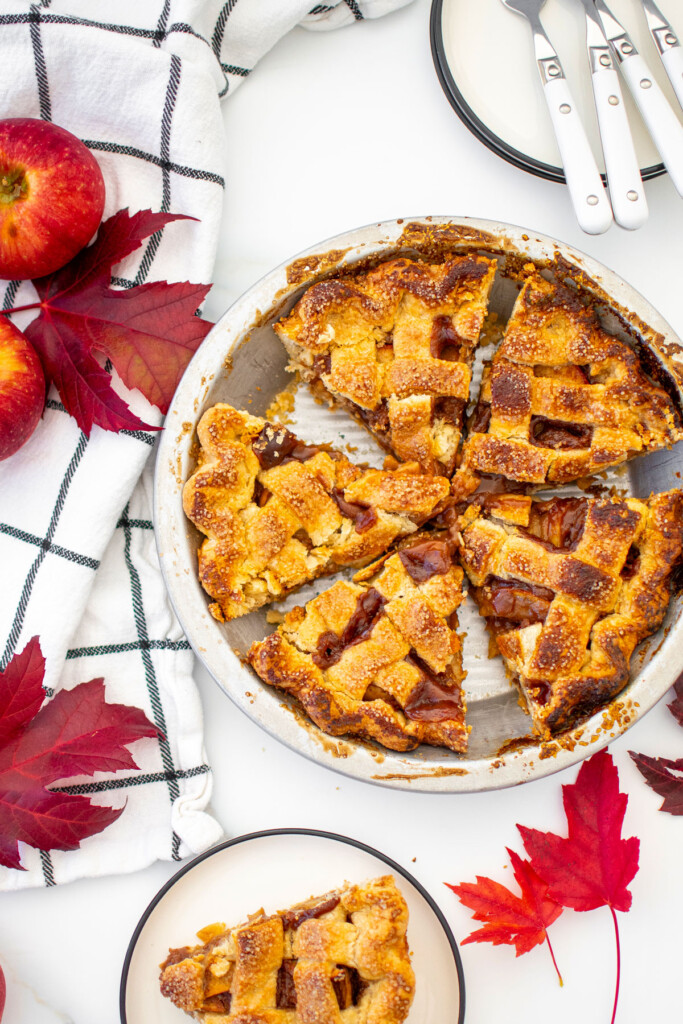
Pies at high altitude will be your easiest thing to bake, in my opinion. Two things can happen to traditional fruit pies with buttery flaky crusts at high altitude. The first is that the dough can become drier, due to the dry climate and the fact that moisture evaporates more quickly.
If you are bringing up a pie recipe to high altitude that you bake all the time and are familiar with it, and you notice that the pie dough is very dry, you can try adding a little bit more water to your recipe. I would only recommend this with a recipe you are very familiar with. As too much liquid in a pie dough can toughen your crust, which won’t have that buttery and flaky texture. Start with the smallest amount like 1 teaspoon and go from there.
Soggy Pie Crusts
The second thing that happens at high altitude is that pie crusts can become soggy on the bottom. This happens because of the lower boiling point of water, and water is in pie dough. Because it’s not as hot when it bakes, it can under cook pie crust, especially the bottoms that are covered in fruit.
This is an easy fix though. You can par bake all your pie crusts, even if the recipe doesn’t call for it, as par baking will partially bake the crust without the filling in it. This helps prevent a soggy bottom. Or, if you bake your pies in an aluminum or cast iron pie pan, this really helps prevent soggy bottoms. This is what I do!
Stay away from glass pie dishes, ceramic pie dishes, or any of the other pretty pie dishes and stick to a classic aluminum pie pan, like USA Pan Pie Pan. I bake all my pies in this USA Pan Pie Pan, and I’ll transfer it to another dish for photographing a lot of the time. A cast iron pie pan, like the Lodge Pie Pan is also a great option for high altitude pies, and I use this one as well. Check out my post The Best Nontoxic Pie Pans to Bake With for all the info on pie pans!

What should you really do?
I will always recommend a pie recipe that is developed at high altitude, like any of my Pies & Tart recipes (be sure to check the Notes for high altitude adjustments). Always use an aluminum, cast iron, or stainless steel pie pan. Avoid glass and ceramic!
If you are baking a fruit pie that is not high altitude specific, I wouldn’t even worry too much about it. Pies don’t rise like cakes or even cookies do. And fruit pies with a butter pie crust is all about the crust and filling. So, there’s just three things to remember about baking pies at high altitude.
First, make sure your crust comes together like you know it should (if using a recipe you are familiar with). If you’re not familiar with a pie crust recipe, then use a high altitude specific one, like my All Butter Pie Crust! Bake in a cast iron, aluminum, or stainless steel pie pan, or par bake crusts. And make sure you bake your pies for a little bit less time to prevent burning. For most pies, it’s going to be a 15 to 30 minute window, so start there and check how the crust is looking.
Tips for Baking Brownies at High Altitude
Brownies at high altitude are the most challenging thing, in my opinion! It took me a long time to feel confident baking brownies. Because brownies are so reliant on texture, it can be incredibly difficult to transfer a sea level recipe to high altitude.
If you are bringing a brownie recipe up to high altitude, I would try baking it with no adjustments first and seeing what happens. Brownies are so temperamental, and all recipes are very specific to texture. So, seeing what the recipe you want to bake actually does at altitude can help. But be sure to decrease baking times for a few minutes and check how they look.
If your brownies seem dry, you can try adding an egg yolk for added moisture or increasing the oil. If your brownies are cakey, you should try baking them for less time or reducing the leavening.
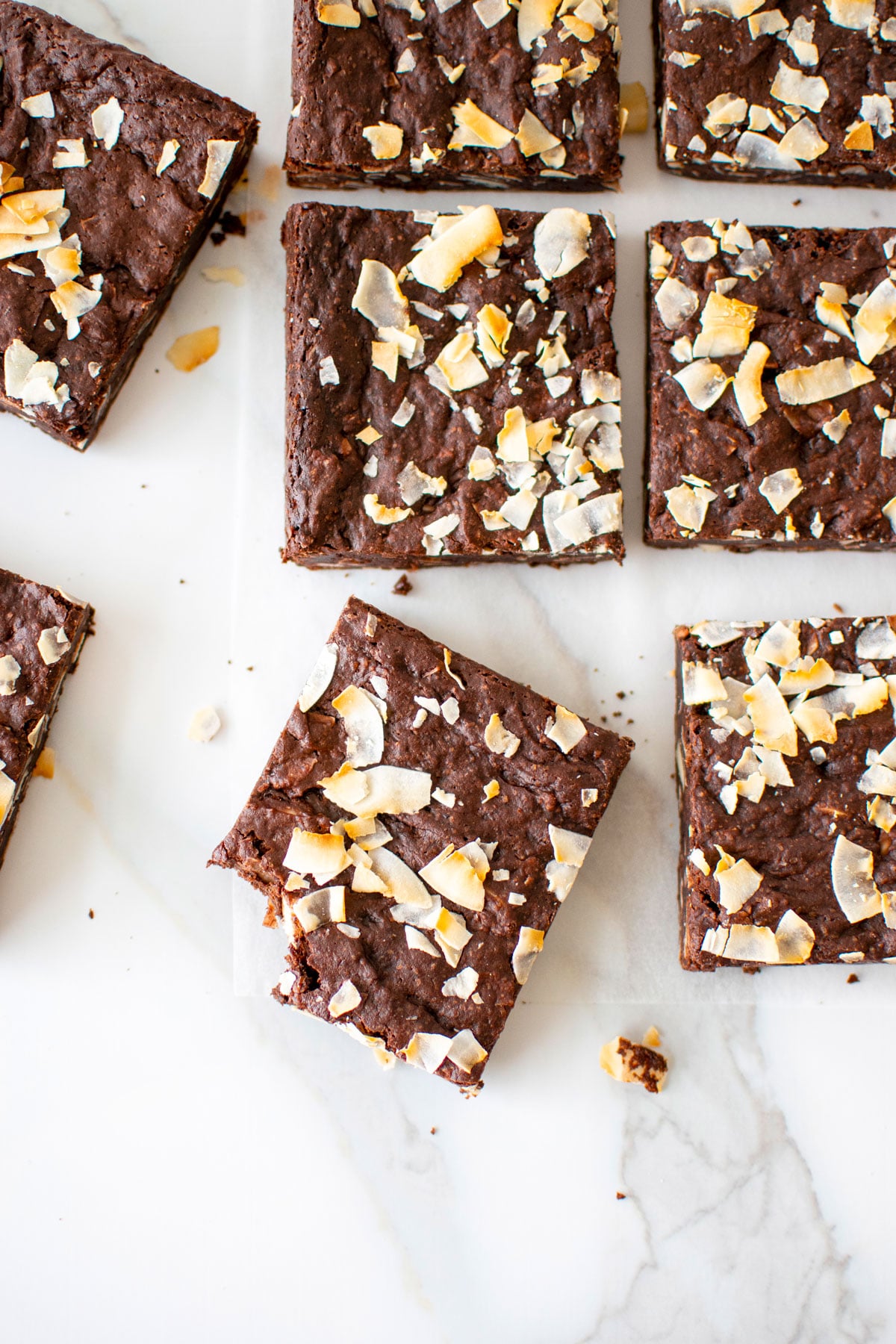
There is no one size fits all for any recipe for high altitude, but especially for brownies! For brownies, I would highly recommend using a high altitude specific recipe and not try to adjust sea level recipes for high altitude. Check out my Brownies & Bars Recipes and use the Notes at the bottom for the high altitude adjustment.
Tips for Baking Bread at High Altitude
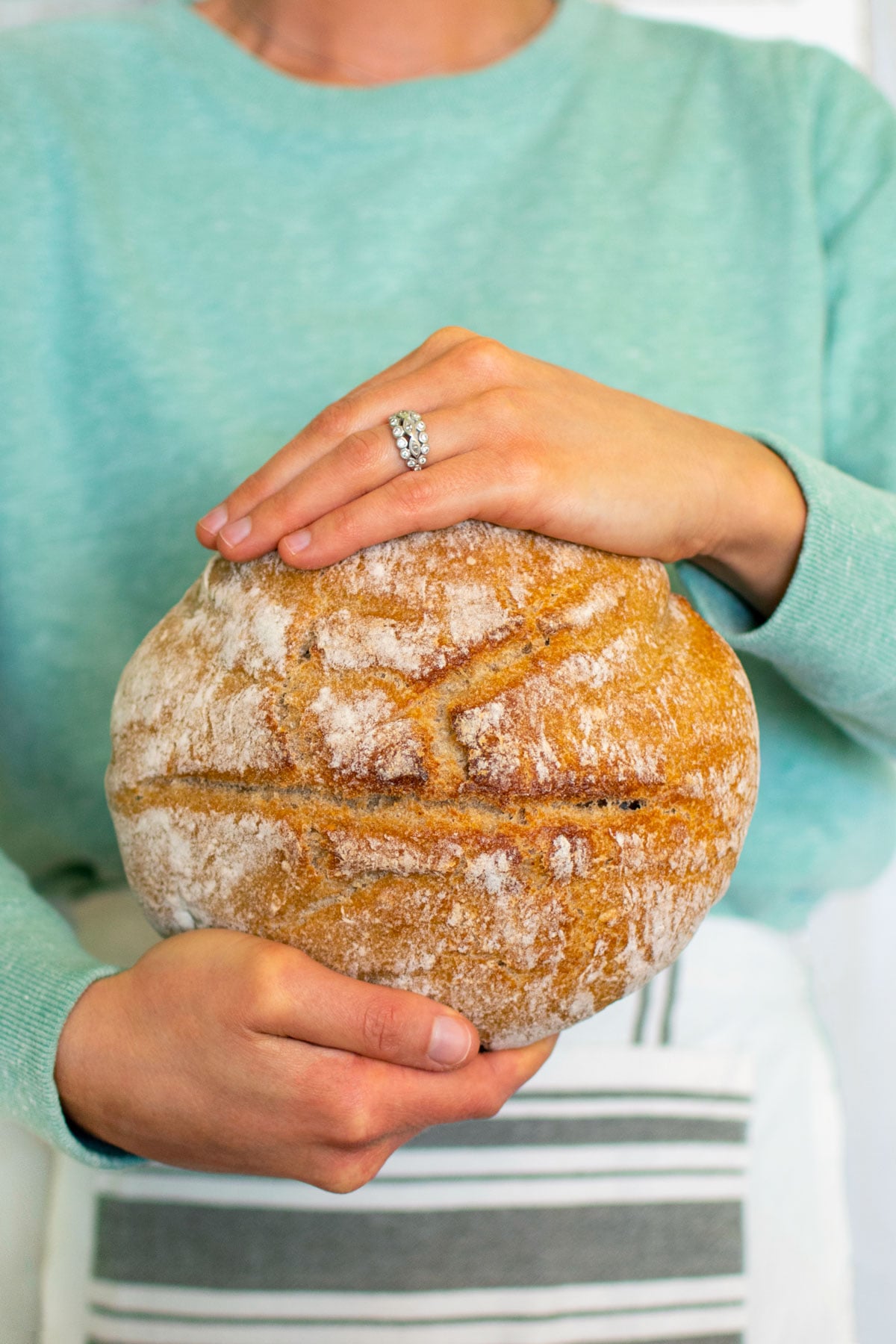
Bread at high altitude may be one of the trickiest things to bake. Because high altitude has so much to do with moisture and moisture evaporates more quickly at high altitude. Bread is very simple, relying on just a few simple ingredients and a lot on gluten structure and moisture – it can be challenging at high altitudes!
One of the main things to remember when baking bread at high altitude is that the proofing time will most likely be shorter. So, make sure to check the bread to see if it’s proofed in a shorter amount of time, and bake it off when it's ready as opposed to following times given for sea level recipes. Always look to make sure that your bread has risen properly and bake it when ready. Letting it proof for too long can make bread dough dry out at high altitudes.
Bread will also need to bake for a shorter time at high altitude, so this may mean covering bread so that it fully cooks through and then removing cover for browning because of the shorter bake time.
You know I’m going to say, choose bread recipes that are made for high altitude. But using a sea level recipe isn’t the end of the world like it may be for brownies or cakes. Check out my Bread Recipes and check the notes for high altitude adjustments.
The Takeaway
Use a recipe that is developed for high altitude! It’s that simple. I have developed all of my recipes at high altitude; therefore, I can tell you all they work here! They also work at sea level (and everywhere in between) because when you bring a recipe from high altitude to sea level, there are no issues. But if you bring a recipe from sea level to high altitude – it can be hit and miss. Try my High Altitude Recipes, and check the Notes at the bottom of the recipe for baking times for high altitude.
When you make adjustments to a recipe, you change that recipe, so you really have a whole new recipe. Adding more flour, decreasing sugar, decreasing leavening – once you start doing all these things, it’s a new recipe. Therefore, I strongly believe in baking recipes that are specifically meant for high altitude, this way you don’t have to change a thing!
High Altitude Recipes to Try

The Bake Shop
Visit The Bake Shop for foodie inspired tees, sweatshirts, and accessories. Find my favorite kitchen tools (with discounts!) in the Kitchen Shop. And shop our collection of food inspired dog accessories too!



I have been wondering if altitude affects using a pressure cooker. Often time it seems the cooking time in the recipe is too long and ingredients get mushy. Do you think altitudes can affect this?
hi Kristine, this is interesting that you are saying that you think you need less time than recipes usually call for. A pressure cooker is a great tool for high altitude because it traps steam and increases the pressure inside the pot, raising the boiling point of water. This allows food to cook at a higher temperature and faster, which compensates for the lower atmospheric pressure at high altitudes. (Where usually food cooks slower because the boiling point of water is lower). So, usually I would say that using a pressure cooker you would use the same times that a sea level recipe calls for. But, if you are seeing this time and time again, then I would recommend reducing your times no matter what recipes you follow and check food for your desired doneness!